
A meeting that changed everything
In 2020, one of EmpowHER's founders was introduced to a mother of six children in Kenya through a social worker.
She was not yet eighteen when she married. As the second wife of a man who exercised considerable control over her life, she experienced violence and had little freedom to make decisions for herself. Her husband also failed to provide adequately for her and their children.
Eventually, she made the difficult decision to leave with all six children.
But leaving did not mean that she had somewhere safe to go.
Because of the family expectations and relationships surrounding her marriage, she could no longer rely on her own relatives for support. She was largely on her own, without a secure home, a reliable income or anyone she could depend on to help raise her children.
Every day became a struggle to survive.
The family tried to grow its own food, but the harvests were rarely enough. Sometimes the children worked on other people's farms to earn money for food. On other days, they searched for whatever they could find to eat.
Often, there simply wasn't enough.
During a visit to their home, our founder saw how serious their circumstances had become. Even the most basic household essentials were missing.
But she also saw a mother who, despite everything she had experienced, was determined to build a better future for her children.
The question was no longer simply how to help the family get through another day. It was how to give them the opportunity to change their future.
A safe place to begin again
Safety came first.
Although she had left the marriage, the family still needed a safe and stable place to rebuild their lives. But safety alone would not be enough. Without an income of her own, the family would remain vulnerable and dependent on others.
With support, the family relocated to Nairobi, where the mother could begin rebuilding their lives and developing her own business.
The aim was to create opportunities for her to make her own decisions, rather than remain dependent on a husband, relatives or continuing emergency assistance.
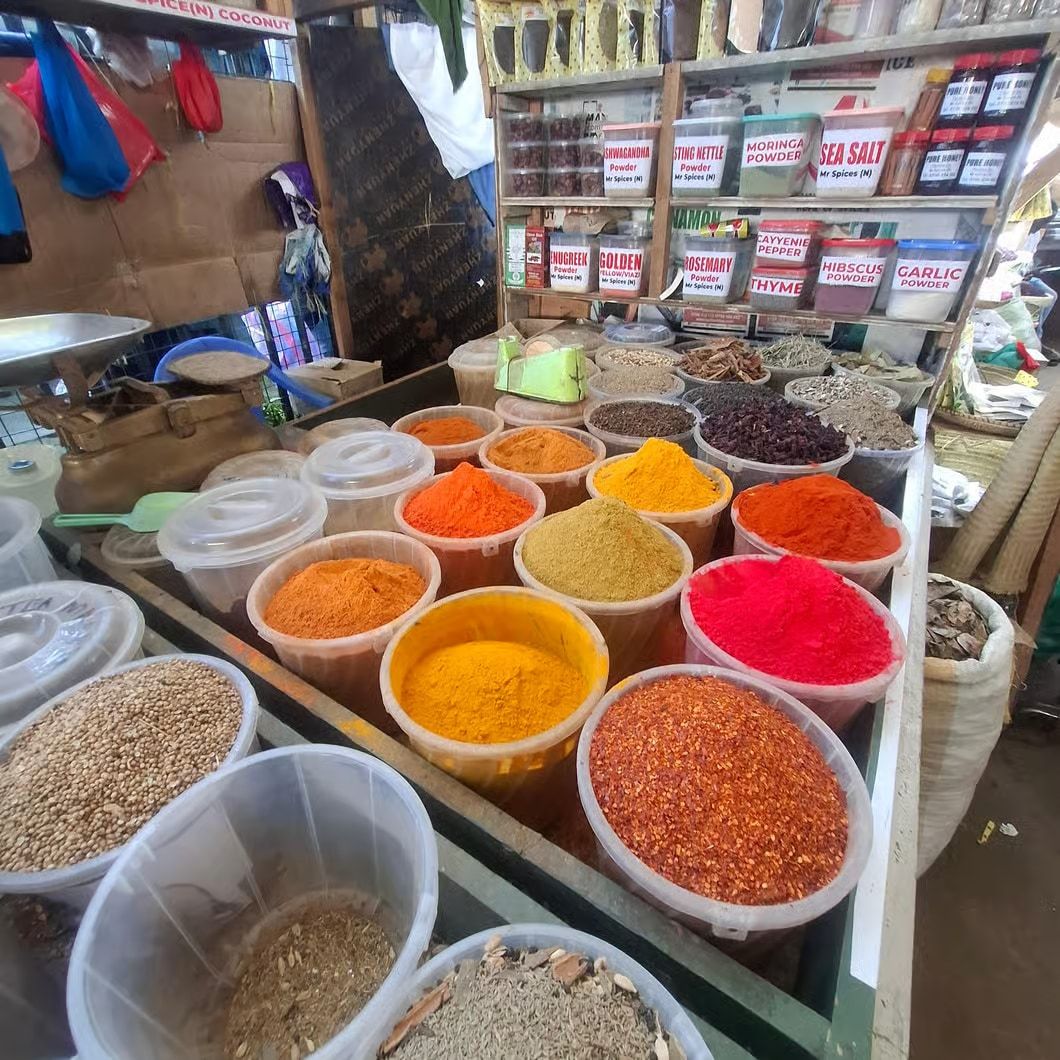
Together, they explored a business that could be started with relatively little capital. They chose to sell spices.
By purchasing spices in larger quantities and repackaging them into smaller, affordable portions, she could serve customers who were unable to buy in bulk.
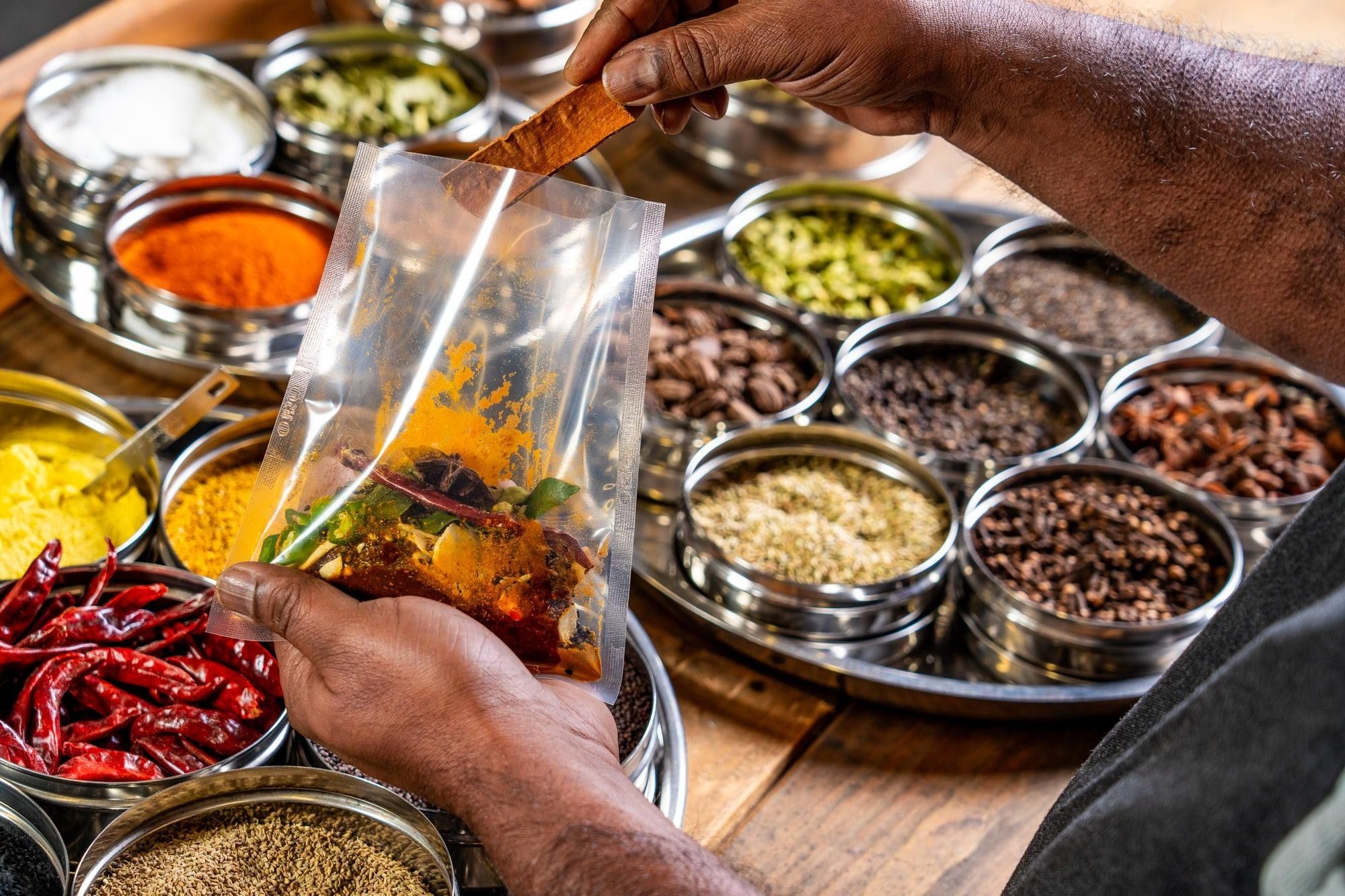
EmpowHER helped her get started, provided initial stock and supported her in developing practical skills such as managing income and expenses.
Building the business wasn't easy. Finding customers, choosing the right location and establishing reliable cash flow took time and perseverance.
Step by step, she gained confidence in running her shop.
Today, she manages the business independently. Her income helps provide food, clothing and other everyday essentials for her family. Sometimes, there is even room to enjoy activities together.
But the change goes beyond financial security. She has developed greater confidence, takes pride in what she has built and increasingly trusts her own decisions.
Education opens doors
Alongside the mother's economic independence, her children's education has always been central to EmpowHER's support.
When we first met the family, attending school regularly was far from guaranteed. Tuition fees, uniforms, shoes, books and school meals were often beyond their reach.
As a result, the children frequently missed out on education.
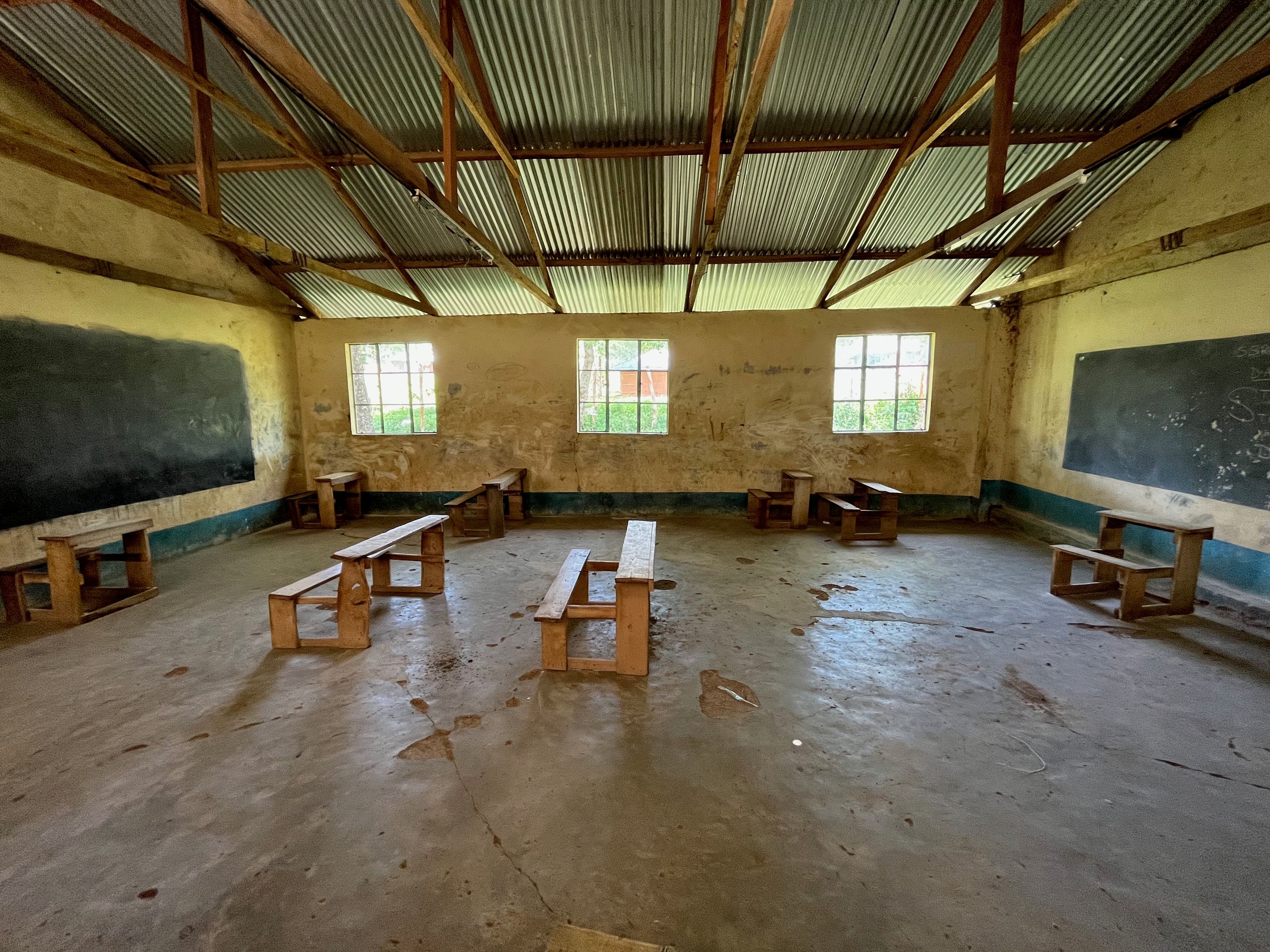
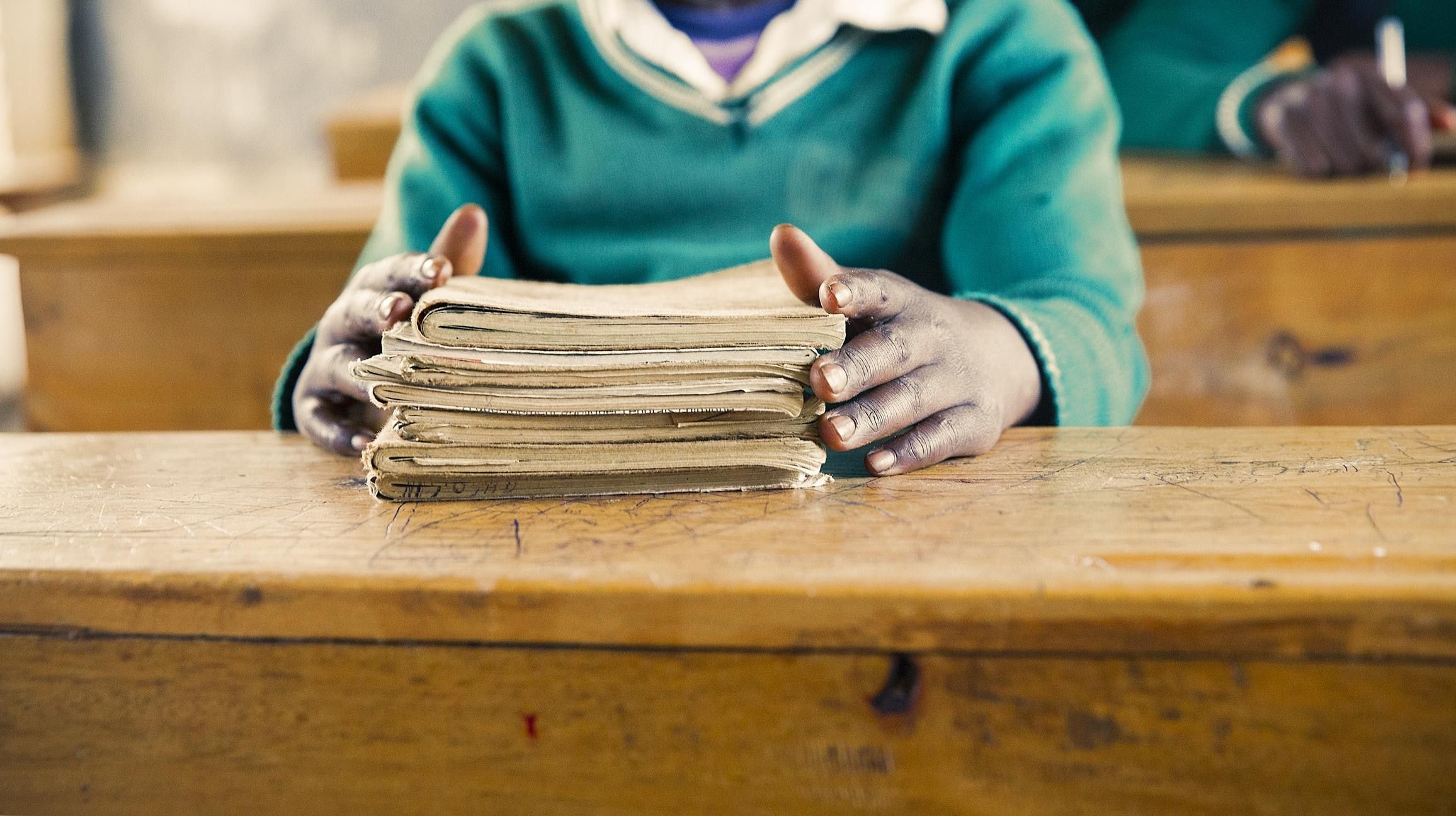
EmpowHER helped cover the essentials they needed to return to school and continue learning.
The impact was visible in more ways than one.
School brought structure, friendships and a sense of belonging. The children grew in confidence, developed socially and gradually improved their academic performance.
Since then, they have reached important milestones.
One child is now studying microbiology at university. Two have completed vocational education. One is attending secondary school, while the youngest two are still in primary school.
For a family that once struggled to access education, these achievements represent a world of new possibilities.
The children dream of futures in which they can make their own choices. Some hope to become doctors or pilots.
Supporting without taking over
EmpowHER believes lasting change begins with people's own strengths and independence.
That is why we do not make decisions on the mother's behalf.
She decides how to raise her children, which schools they attend and how to run her business.
Our role is to listen, offer practical support and remain available when needed.
We stay in touch through WhatsApp and video calls, and aim to visit Kenya twice a year to spend time with the family in person.
Every quarter, we also discuss the financial development of her business. Not to tell her what to do, but to help her make informed decisions of her own.
Now that her shop generates enough income to cover many of the family's daily needs, EmpowHER's financial support is focused primarily on the children's education.
As the family grows stronger, our role evolves with them.
A future that once felt out of reach
When we first met the mother and her children in 2020, their daily lives were shaped by uncertainty about food, safety and income.
Today, their circumstances are very different.
They have a more stable home. The mother runs her own business, and the children have opportunities to continue their education. The family has also grown in confidence and independence.
She has reconnected with her own relatives and, inspired by her children, has become interested in pursuing further education herself.
Their journey is not yet complete. The youngest children still have years of education ahead of them, and EmpowHER's continued support remains important.
Our goal is clear: for all six children to complete their education and for their mother to continue supporting her family independently.
Because real change does not mean remaining dependent on assistance.
It means having the opportunity to build a future on your own terms.
That is what EmpowHER stands for: empowering women, giving children access to education and helping families break the cycle of poverty.